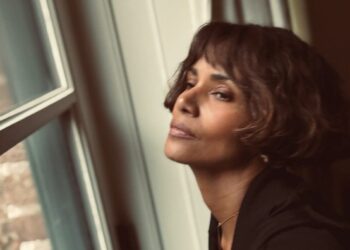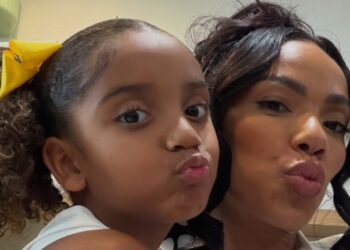


Keke Palmer says she wasn’t prepared for how much she would worry after becoming a mom.
“Initially, I didn’t have many fears,” the actress told theGrio in a recent interview. “But then after you have them, all this other stuff starts coming up, where you’re either learning about things online or you’re hearing things in the news… It’s like, were my ears just not on? Or was I just not concerned because I wasn’t a mother?”
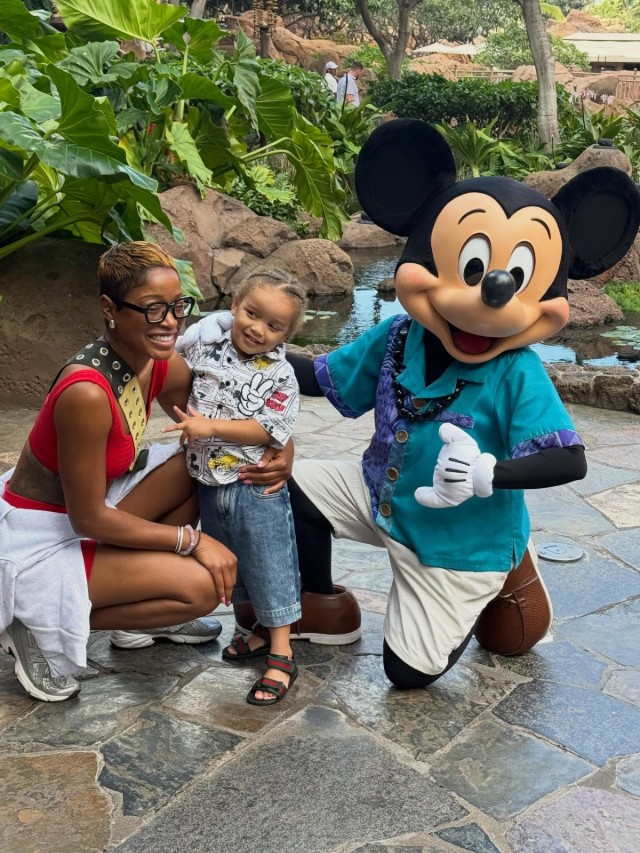
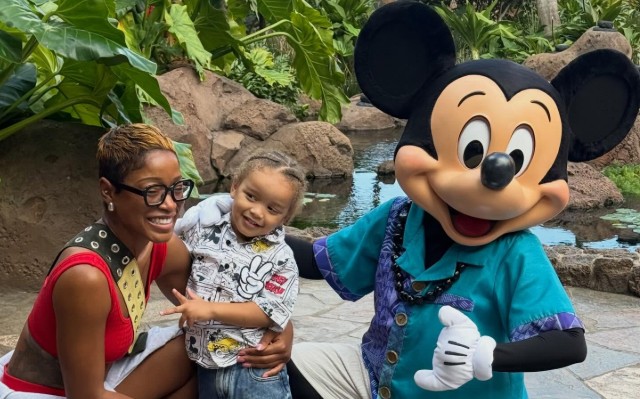
Palmer’s son, Leodis, is now 3, and many of the worries that came with motherhood are still there. Along the way, her understanding of postpartum has changed.
“Postpartum is actually not something that really ever ends,” she explained. “The symptoms can dial down, but… you’re kind of forever postpartum.”
Therapy and prayer are among the ways Palmer takes care of herself, but having a strong support system has been just as important.
“I need my whole community to be a part of helping me through this,” she said. “I think all moms do, and I feel very rich in the fact that I have a big community.”
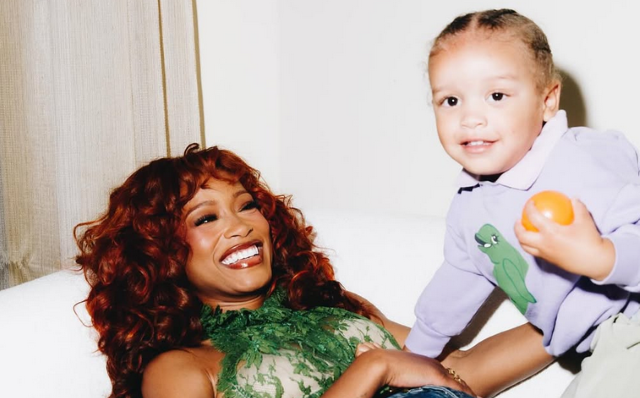
Part of that community is a group of moms Palmer met through Leodis’ school. “They’ve made my life so full because so much for so many years, girl. My life has been just entertainment,” Palmer shared.
“So spending time with these moms, it opened up my ability to get out what it feels to be a mom outside of just being a mother to my son,” she added.
Leodis is currently the only Black child at his school, a situation Palmer knows well from her own childhood. She was the only Black student in her class growing up.
Her parents chose the school for the education it offered, but she remembers struggling socially and not always knowing how to explain what she was going through. Now, Palmer sometimes wonders whether Leodis could face similar challenges.
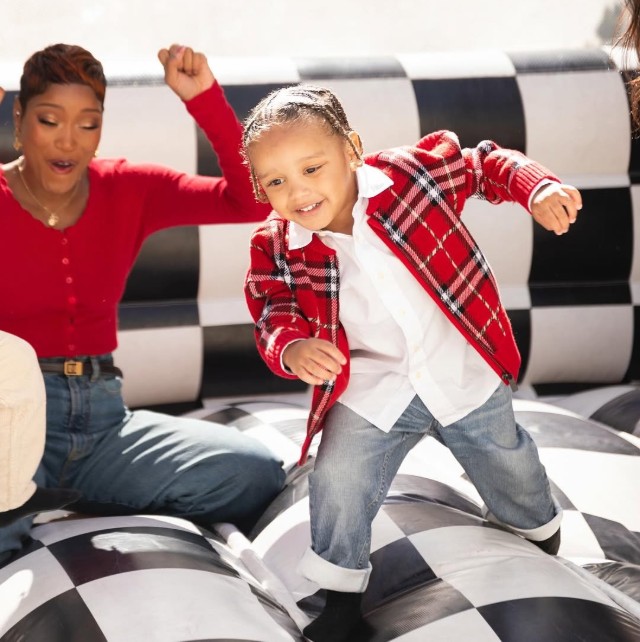
A Middle Eastern mom at his school voiced a similar concern. She worried that her own children might encounter the discrimination and bullying she endured growing up. Hearing that perspective made Palmer question how much of her own past she may be carrying into Leodis’ childhood.


“Just having another mother, her experience is still unique to her, but there’s a universal specificity around trauma of ours triggering what our child’s experience is,” Palmer explained.
“As a parent, you don’t know how much of it is your stuff and how much of it is actually your kids’ stuff,” she continued. “So just to like have that conversation with her…you only want to get that if you are with some other moms…and have that support system to even have those kinds of conversations.”