

Kids carry far more on their shoulders than most adults realize in today’s world. Between homework packets, memorizing math formulas, group projects, and trying to keep up with the social swirl of school, their days can feel just as jam-packed and draining as ours. That’s why giving them space to unwind and time to explore what actually lights them up, can boost their mental health.
Hobbies aren’t just ways to pass the time. They’re powerful tools that support emotional well-being, help kids feel grounded, and offer a healthy break from screens and stress. Research shows that regular, enjoyable activities can lower anxiety and help kids feel more connected.
“Hobbies are good ways to escape all those problems, be with other humans, and actually create something wonderful and feel good about yourself,” says Kathryn Hirsh-Pasek, psychology professor at Temple University and senior fellow at the Brookings Institution in a recent interview with Good Housekeeping.
Kids don’t need to be pros at a hobby to reap the benefits. “Any activity that brings other people into your life, and helps you focus, is good for your mental health,” Hirsh-Pasek notes.

So where do you start? Follow their lead, keep things light, and let curiosity take the lead.
The best hobbies are the ones kids genuinely enjoy, not the ones we choose for them. “The best hobbies for kids are the ones that align with their interests,” says Kathryn L. Keough, Ph.D., clinical psychologist at the Child Mind Institute.
Trying something new can feel intimidating, especially if other kids already seem more experienced. Dr. Keough suggests easing in with a trial class or practicing at home to help build confidence first.
Here are five expert-approved hobbies that support kids’ mental and emotional well-being.
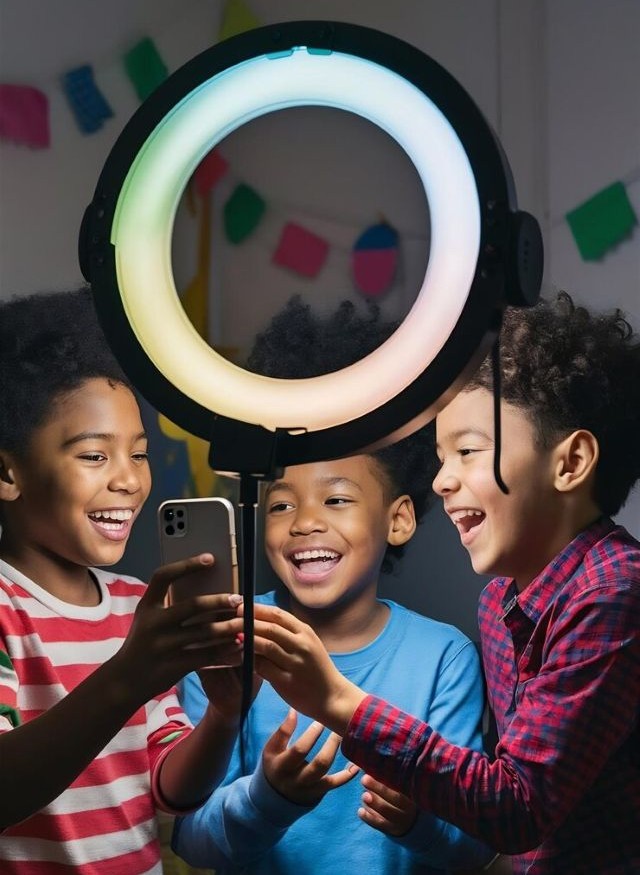
SPORTS & ACTIVE PLAY
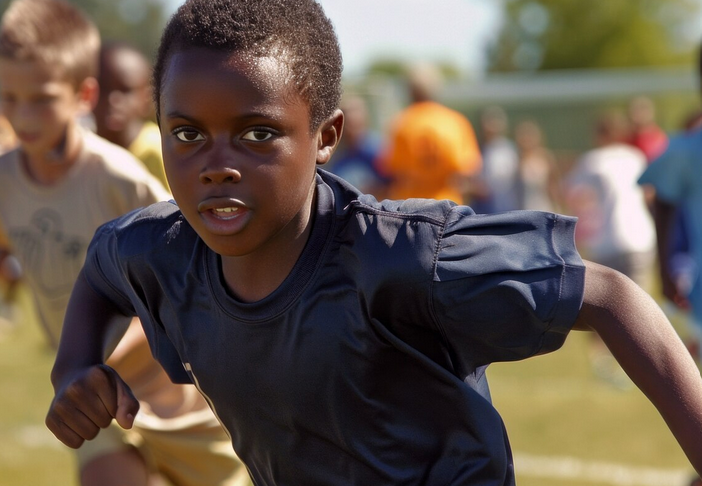
Sports are a natural outlet for energy and stress. Whether it’s soccer, gymnastics, tennis, or a simple backyard game of tag, movement helps kids reset. A 2021 study found that kids involved in sports are less likely to be diagnosed with anxiety and depression. Dr. Keough says the built-in support network, coaches, teammates, mentors, can make a huge difference.
VISUAL AND PERFORMING ARTS
Art and music help kids express feelings when words fall short. Drawing, painting, dancing, singing, or playing an instrument all support emotional growth. “It allows you to bring the inside out,” Hirsh-Pasek says. Kids don’t need fancy supplies or formal lessons to begin, sometimes it starts with crayons, scrap paper, or singing along to a favorite song. As they grow more confident, families can explore classes, bands, or school performances.
CURATING COLLECTIONS


Some kids naturally become collectors, rocks, feathers, football cards, coins, Pokémon cards, stamps, you name it. Collections build focus, curiosity, and even math and research skills. And as Hirsh-Pasek points out, they can also open the door to learning about history and pop culture: Who’s on the stamp? How many yards did that player rush? What’s the value of a mint-condition card? If kids form clubs or trade with friends, it becomes a social hobby too.
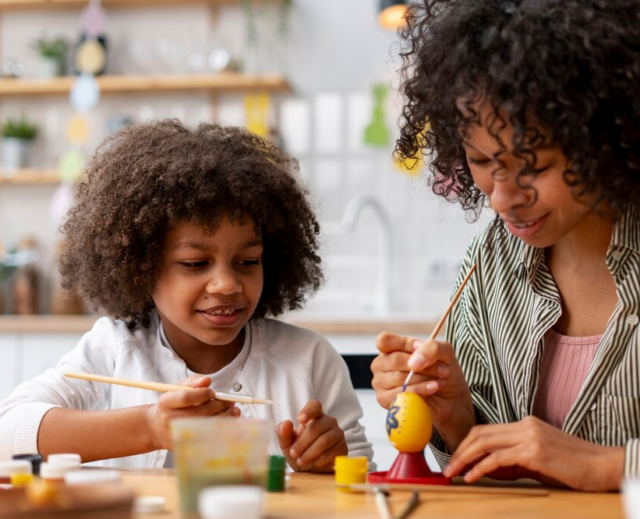
STRATEGY & STORY GAMES
Games like chess, checkers, or strategic card games are excellent for concentration and confidence. They’re also great for neurodiverse kids who benefit from structure and predictable rules. “The structured, predictable gameplay provides a safe space to practice social skills, build confidence, and support skills like problem-solving and concentration,” Dr. Keough says. For kids who prefer collaboration over competition, storytelling games like Dungeons & Dragons encourage teamwork and creativity without winners or losers.
CULINARY ADVENTURES
Cooking is a joyful mix of creativity, math, science, and life skills. Kids love seeing their work turn into something delicious and sharing it with others can boost confidence. Dr. Keough notes that following recipes naturally strengthens skills like reading, measuring, and communicating. And when something flops? That’s part of the learning, too.

Hobbies should feel fun, not like extra homework. Experts emphasize the importance of balance, kids need a mix of structured activities and downtime to play, explore, and simply be kids.
“The more children experience moments of positive feeling—happiness, pride, joy—those happy moments support their overall emotional well-being,” Dr. Keough says.